
A website is often the first interaction a potential customer has with a company, and that first impression can make or break their decision to stay, browse, or leave within seconds. As competition grows across every industry, website development for businesses has shifted from a “nice to have” to a core growth strategy. Today’s users expect speed, clarity, and a seamless experience—anything less sends them straight to a competitor.
So, what makes a good business website in 2026? It comes down to design, functionality, and trust signals working together. Strong business website design is not just about looking polished; it guides visitors towards action while building credibility along the way.
This article breaks down the essential features of a modern website that every company—from startups to established enterprises—should prioritise to stay competitive, visible, and trustworthy online.
1. Mobile-Friendly Responsive Design
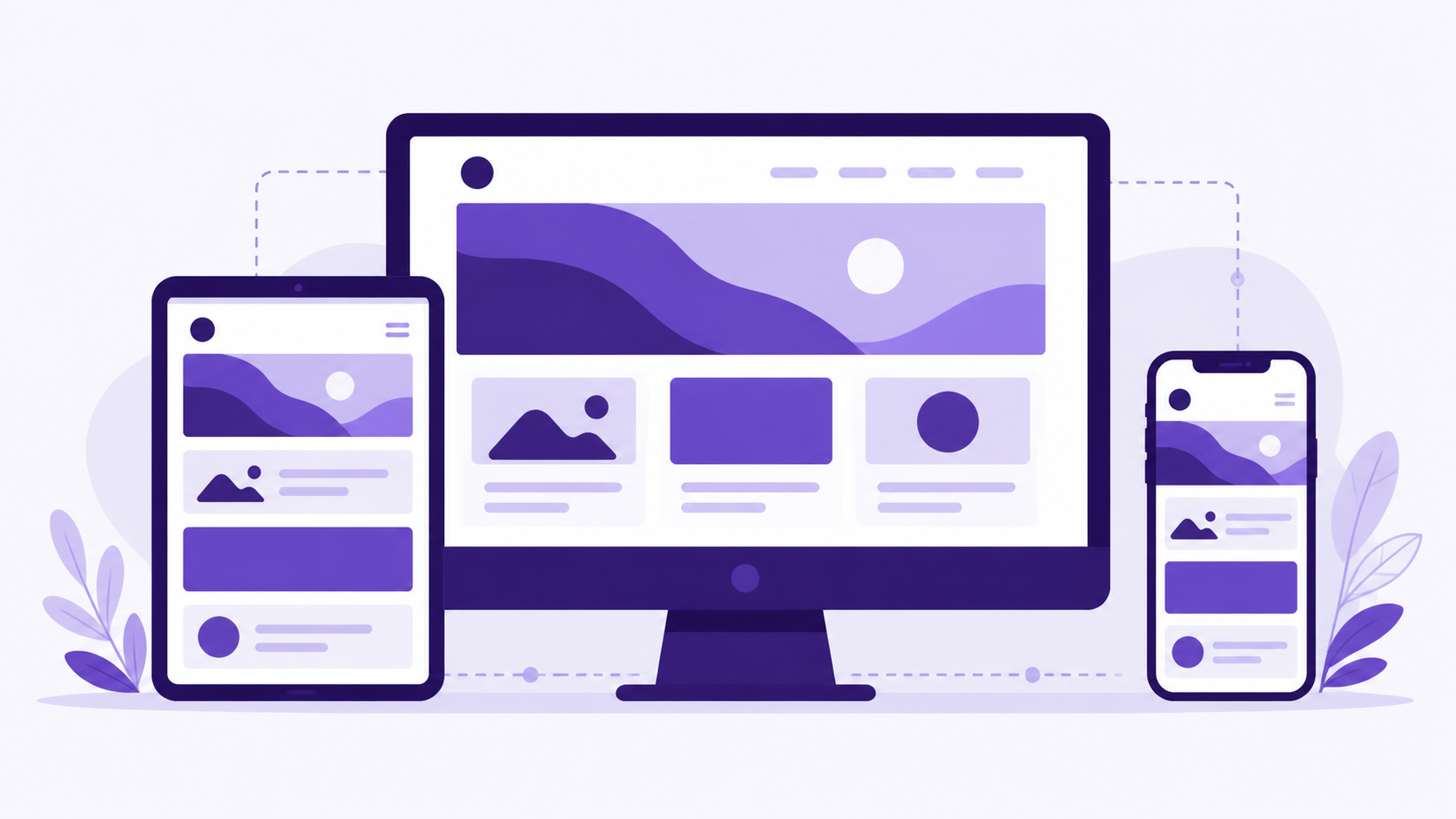
With most web traffic now coming from smartphones and tablets, a mobile-friendly website is non-negotiable. Responsive website design automatically adjusts layouts, navigation, content, and calls to action for each screen size, keeping menus usable, text readable, and buttons easy to tap.
Beyond aesthetics, responsiveness directly shapes user experience (UX). A site that feels broken or clunky on mobile creates friction and pushes visitors towards competitors. Search engines also assess mobile usability, so responsive design improves how visitors experience your business and how easily they can find it.
- Readable copy without zooming
- Touch-friendly buttons and navigation
- Forms that are simple to complete on mobile
- Consistent content and functionality across devices
If your current website is difficult to use on mobile, CoxFuture can help through its Website Development services and Mobile App Development services.
2. Fast Loading Speed
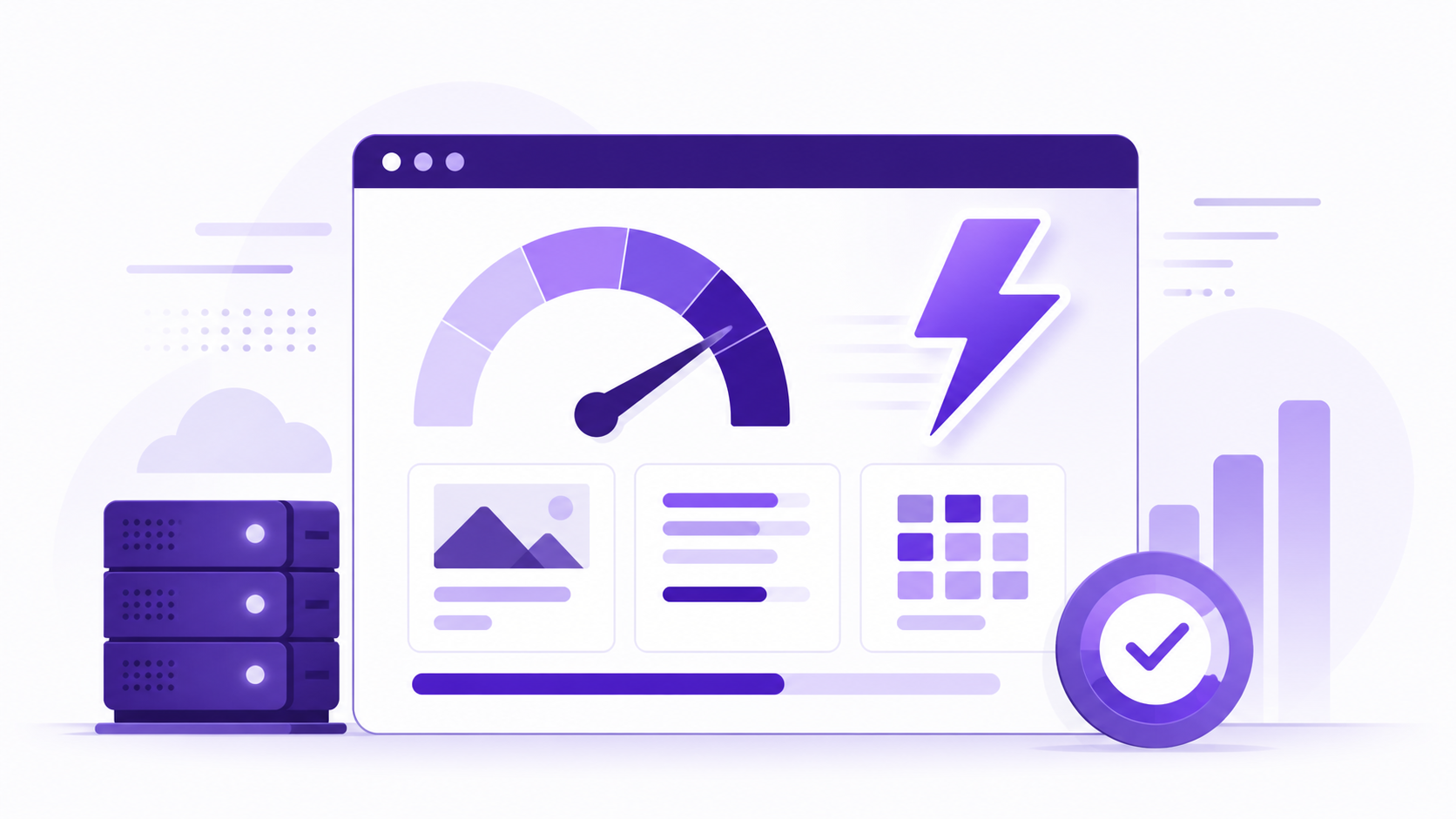
Visitors rarely wait around for a slow page to load. Website speed optimization—through compressed images, efficient code, and reliable hosting—helps pages load quickly and prevents frustrated users from abandoning them before the content even renders.
Speed is also a major part of overall website performance. A fast, responsive site signals professionalism and reduces the technical friction between a visitor and the action you want them to take, whether that is completing a form, booking a consultation, or making a purchase.
| Website element | Common issue | Better approach |
|---|---|---|
| Images | Large, uncompressed files | Serve correctly sized modern image formats |
| Code | Unused scripts and styles | Load only essential assets |
| Hosting | Slow server response | Use reliable, scalable infrastructure |
3. SEO-Friendly Structure
An SEO-friendly website is built with both users and search engines in mind. Clean URL structures, a logical heading hierarchy, useful metadata, and fast-loading pages all contribute to better visibility in search results.
SEO-friendly website design goes beyond keywords. It includes structured data, internal linking, mobile compatibility, accessible navigation, and clear content. Without this foundation, even a visually impressive site can struggle to attract organic traffic.
4. Strong Website Security

Trust is everything online, and a secure business website protects both your company and your customers. SSL certificates, regular software updates, secure payment gateways, and protection against malware or data breaches are no longer optional extras.
The website security features every business website should have include HTTPS encryption, firewalls, regular backups, and secure login protocols. A security lapse can damage customer trust permanently, making this one of the most important investments a business can make online.
5. Easy Navigation
Clear website navigation helps visitors find what they need without frustration. A logical menu structure, intuitive labels, and a visible path to your services or contact page reduce the effort required to explore your website.
Good navigation is a cornerstone of strong user experience (UX). It keeps visitors engaged, reduces exits, and guides them naturally towards key pages instead of leaving them to hunt around and give up.
6. High-Quality Content
Content turns visitors into informed leads. Service pages, blog posts, case studies, and practical resources reflect the value behind professional website development and build authority in your industry.
Custom website development allows businesses to tailor content and layout to a specific audience instead of relying on generic templates. Well-written, relevant content also supports SEO, keeping visitors on the page longer and giving search engines more reason to understand its value.
Build a website that supports your growth.
CoxFuture Technologies creates clear, responsive, conversion-focused websites for businesses across India.
Request a free consultation →7. Clear Call-to-Action
Every page should guide visitors towards a next step—whether that is booking a call, signing up for a newsletter, or making a purchase. Clear, well-placed calls to action are one of the simplest and most effective tools for conversion rate optimization.
Buttons and links should stand out visually and use action-oriented language. Without a clear CTA, even highly engaged visitors may leave without taking meaningful action.
8. Contact Information
Easy-to-find contact details build trust and remove barriers between a visitor and a conversation. Phone numbers, email addresses, physical locations, and contact forms should be visible without requiring visitors to search for them.
This is a simple but often overlooked entry on any business website checklist. It is especially valuable for local and service-based companies that rely on direct enquiries to generate leads.
9. Social Media Integration
Linking your website to active social media profiles helps build community and extends your brand’s reach beyond the site itself. Share buttons and follow links make it easier for visitors to engage further.
This is one of the simpler modern website design tips, but it meaningfully supports visibility across channels while reinforcing credibility through social proof.
10. Analytics & Performance Tracking
You cannot improve what you do not measure. Analytics tools track visitor behaviour, traffic sources, and engagement patterns, giving businesses the data needed to make informed decisions about design and content.
Ongoing website maintenance paired with website performance tracking helps identify issues early. Ongoing conversion rate optimization then refines what is working and fixes what is not, turning your site into an improving asset rather than a one-time project.
Final Thoughts
Building a site with all ten features rarely happens by accident. It typically requires the expertise of a dedicated website development company or a clear understanding of how to build a professional website from the ground up. Whether you are relaunching an outdated site or starting fresh, a structured business website checklist helps ensure nothing critical gets missed.
Investing in solid website development for businesses is not just about aesthetics. It creates a fast, secure, user-friendly platform that supports growth, trust, and long-term success. Talk to CoxFuture Technologies about a website built for your next stage of growth.